
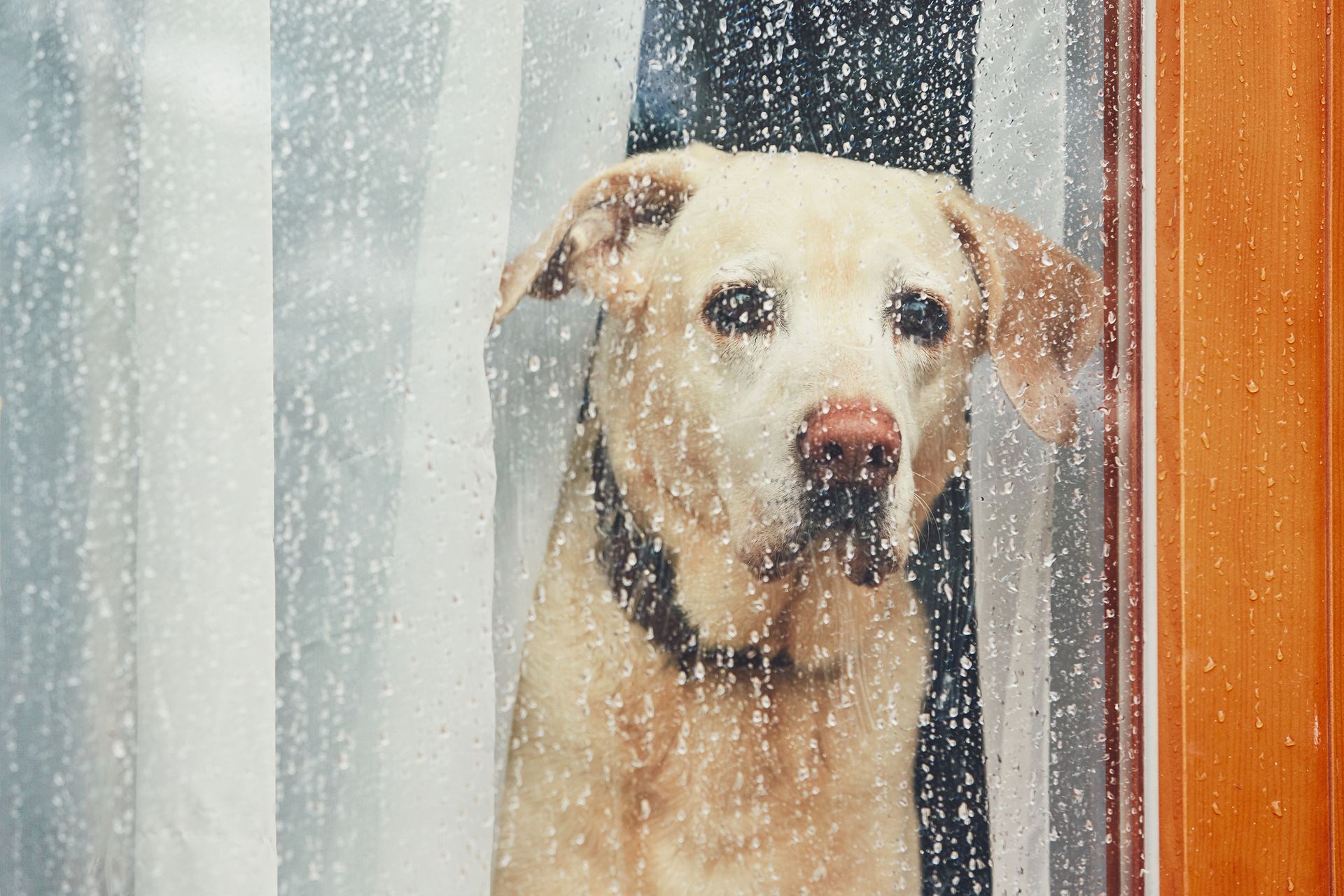
When hurricane season arrives along the Gulf Coast, preparation is everything. While many families focus on stocking up on water, batteries, and emergency supplies, it is just as important to have a plan for your pets. Hurricanes can develop quickly, and having a strategy in place before a storm approaches can help keep your furry family members safe, and reduce stress during an emergency. Whether you share your home with a playful pup, a curious cat, or multiple pets, a little planning goes a long way. Here are practical tips to help Mobile pet owners prepare for hurricane season. Build a Pet Emergency Plan Before the Storm One of the most important steps in hurricane pet preparedness Mobile families can take is to create an emergency plan before severe weather threatens the area. Make sure every pet has proper identification, including a collar with current contact information and a microchip with updated registration details. If you need to evacuate, having accurate identification can greatly improve the chances of being reunited with your pet. It is also a good idea to research pet-friendly hotels, shelters, and boarding facilities ahead of time. Not all evacuation shelters accept pets, so knowing your options before an emergency can save valuable time. Create a Pet Emergency Kit Every household should have a dedicated pet emergency kit ready to go during hurricane season. Store supplies in an easily accessible container and check expiration dates regularly. Your pet emergency kit should include: At least one week's supply of food and water Food and water bowls Medications and prescription information Copies of veterinary records and vaccination certificates Leash, harness, and extra collar Waste bags, litter, and litter box supplies Blankets and comfort items Recent photos of your pet First-aid supplies Having these essentials packed and ready can make evacuations much smoother for both you and your pet. Assemble a Hurricane Dog Kit Dogs often need a few additional supplies during emergency situations. A well-stocked hurricane dog kit can help keep your canine companion comfortable and secure. Consider including: Extra leash and harness Favorite toys for comfort and stress relief Portable crate or carrier Cooling towels for hot weather conditions Travel water bottles Calming aids recommended by your veterinarian Remember that storms can be frightening for pets. Familiar items can provide reassurance when routines are disrupted. Follow a Pet Evacuation Checklist A pet evacuation checklist Alabama pet owners can rely on should be prepared well before hurricane warnings are issued. Before leaving your home: Bring pets indoors Secure carriers and travel crates Pack your pet emergency kit Verify your evacuation destination accepts pets Ensure identification tags are attached Keep pets leashed or safely contained at all times Load pets into vehicles before weather conditions worsen Never leave pets behind during an evacuation. If conditions are unsafe for people, they are also unsafe for animals. For Gulf Coast pet owners, hurricane season is a yearly reminder that preparation matters. Taking steps now can help keep your beloved companions safe when severe weather threatens. Keep Your Pet Healthy Before Hurricane Season Arrives Emergency preparedness is about more than supplies. Making sure your pet is healthy before hurricane season begins is equally important. Routine wellness exams allow your veterinarian to identify health concerns, update vaccinations, refill medications, and ensure your pet is ready should an emergency arise. A healthy pet is often better equipped to handle the stress and challenges that can come with evacuation, travel, and temporary housing during severe weather events. Prepare Today for Tomorrow's Storms Hurricane season can be unpredictable, but your pet's safety should never be left to chance. Taking time now to build a pet emergency kit, create a hurricane dog kit, and develop a reliable evacuation plan can make all the difference when severe weather strikes. At Great Oaks Veterinary Hospital , we are committed to helping your pets stay healthy, happy, and prepared year-round. Schedule your pet's wellness exam today and let our team help ensure your four-legged family member is ready for whatever the season may bring. After all, every tail wag, happy purr, and muddy paw print is worth protecting.
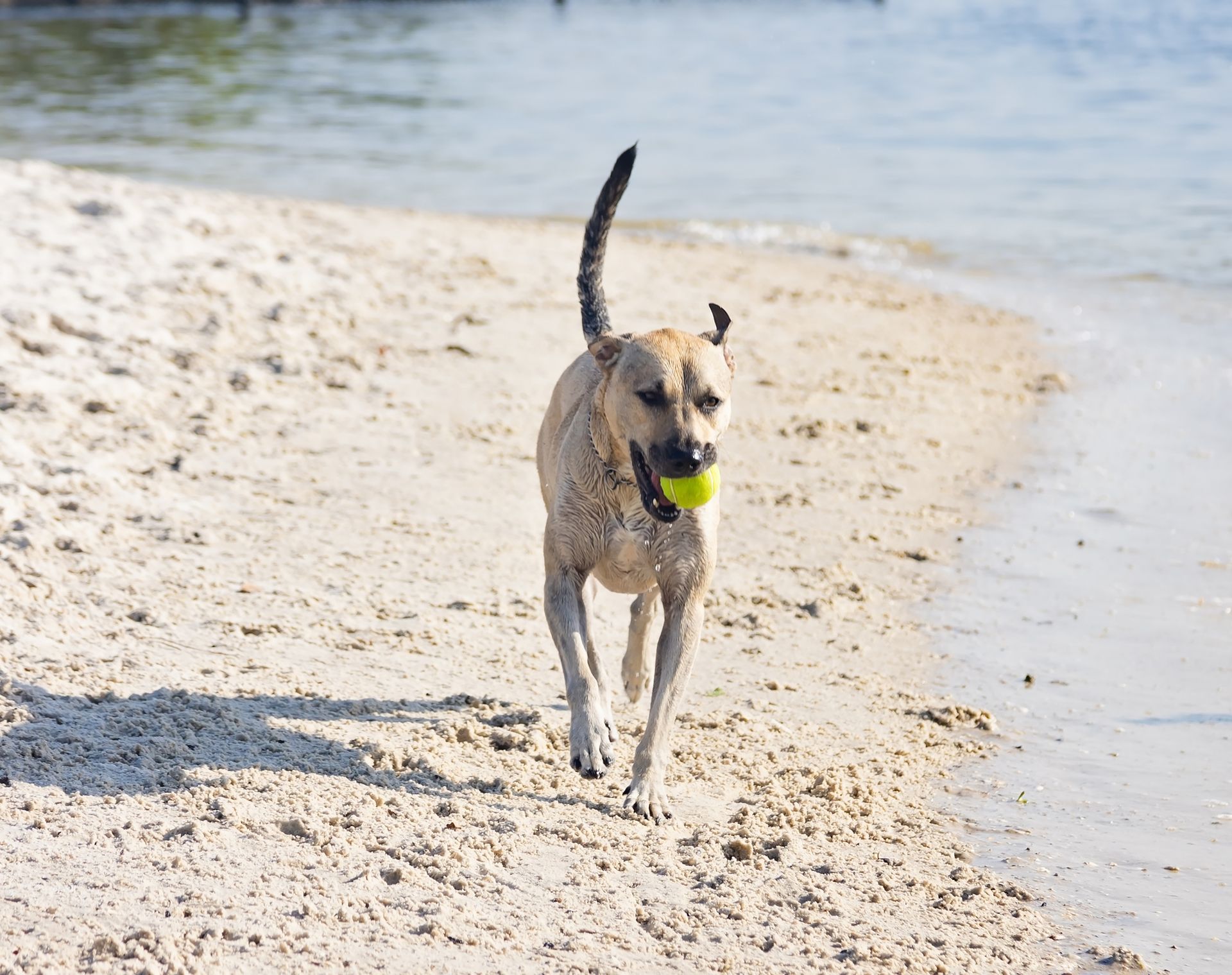
In some states—the cooler, Northern ones that spend half the year entombed in snow—heartworm is mainly a springtime and summertime concern. Unfortunately for those of us in the Gulf Coast, that’s not the case for us. Here, heartworm prevention is a year-round affair. The team at Great Oaks Veterinary Hospital would like to share why heartworm prevention in Mobile, AL and the rest of the Gulf Coast is key—and how to stay on top of this crucial pet-parent responsibility. Heartworm Disease: What it Is and Why You Don’t Want Your Pets to Get It Heartworms are parasites that are transmitted by mosquitoes from host to host—and dogs happen to be one of the most ideal heartworm hosts around. Mosquitos can deposit heartworm larvae into dogs anytime they bite them—which, if you’ve ever, well, been outside during any time of the year in the Gulf Coast, can happen a bajillion times a day. Over the course of 6 to 7 months, the larvae develop into adult heartworms— if the dog has no heartworm preventive in her system to stop the development and kill any larvae or young adults in their tracks. Adult heartworms then find places in your dog’s body—namely your pup’s heart, lungs, and the associated blood vessels—to live, grow, and reproduce. Before too long, the presence of the heartworms interferes with the body’s ability to function properly. And without prompt, and often costly and risky treatment, canines will ultimately succumb to heartworm disease. The excellent news is that heartworm can be prevented with the preventive medications veterinarians have at their disposal today. How Do Heartworm Preventives Work, and What Types Are There? Heartworm preventives work by stopping the lifecycle of any heartworm larvae that get deposited into your pet by a mosquito. Preventives only work if the heartworms have not yet matured into adults. For this reason, puppies can start receiving heartworm preventives at 8 weeks of age. Adult pets who have not yet been on heartworm preventives, or who have not taken them routinely, need to get tested—and potentially treated—for heartworm first. And if you’re worried about trying to fit a daily or even monthly preventive medication into your busy schedule, fear not. Many heartworm preventive options exist today, including: Monthly chewable tablets, which can be taken at monthly intervals Monthly topical medications Combination products that also protect your pet against intestinal parasites and/or fleas and ticks Long-acting injectable heartworm prevention, which your veterinarian can give your pet every 6 or 12 months Your veterinary team can help you decide which heartworm preventive is best for your dog and your lifestyle. Alabama Heartworm Prevention and Treatment If it’s been a while since you had your pup on heartworm preventive medication, bring him in for an assessment as soon as possible. Heartworm disease can be treatable, but the earlier we catch and treat it, the better chance your dog has for a healthy outcome. After treatment, we can get your dog on a preventive to make sure he stays heartworm-free for years to come. The caring team at Great Oaks Veterinary Hospital is dedicated to helping dogs stay heartworm-free year-round here in the Gulf Coast. Call us at (251) 639-7414 to help prevent this mosquito-borne disease in dogs.
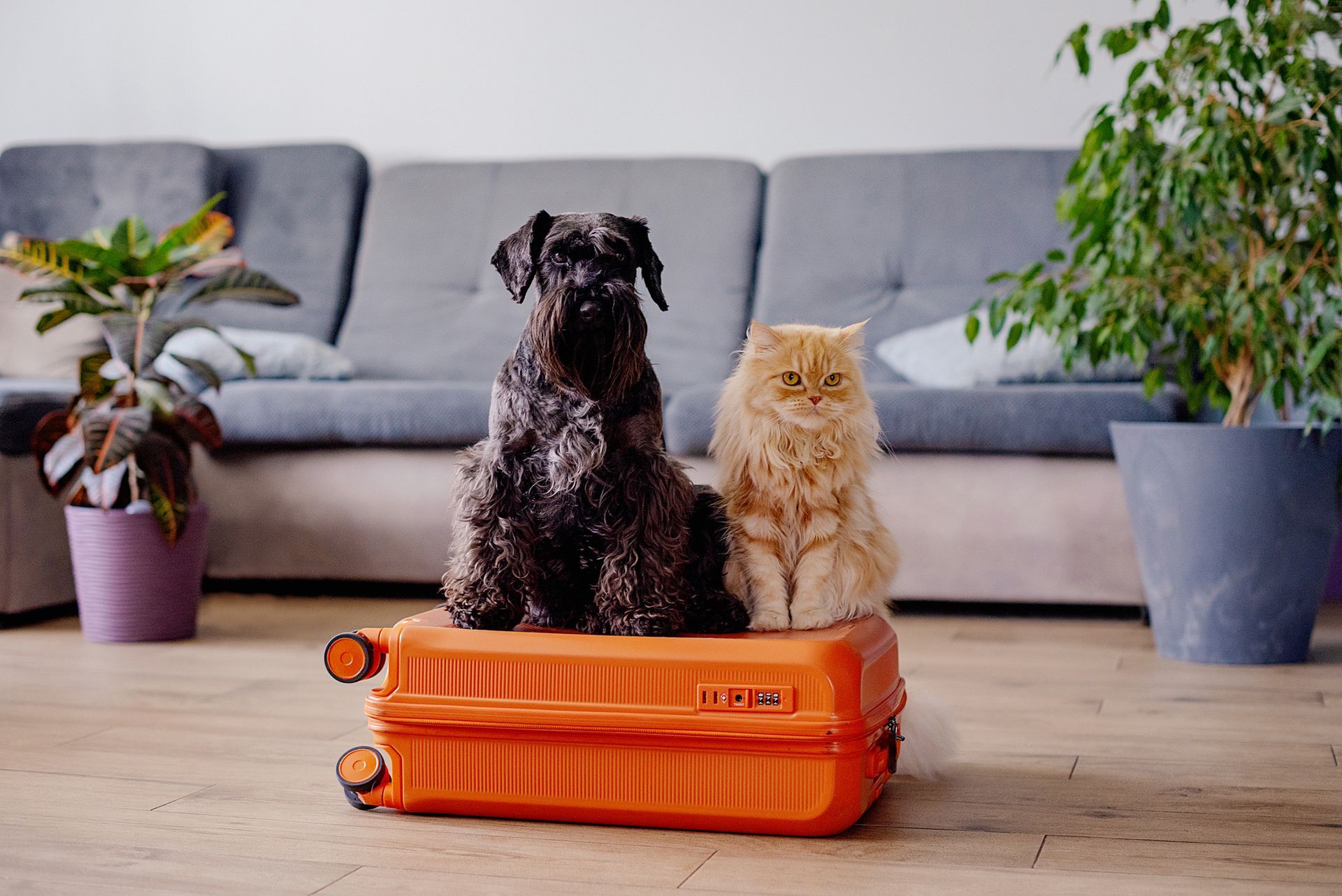
Whether you’re planning a family vacation, a business trip, or a weekend getaway, finding safe, comfortable pet boarding is likely at the top of your to-do list. Choosing the right pet boarding in Mobile Alabama can provide peace of mind while ensuring your furry family member receives the care and attention they deserve. At Great Oaks Veterinary Hospital , boarding is more than just providing a place for pets to stay. It’s about creating a welcoming environment where dogs and cats can feel secure, comfortable, and cared for while their families are away. Choosing Vet Boarding Near Me Unlike some traditional kennels, veterinary boarding facilities like Great Oaks Veterinary Hospital have a team of trained medical professionals with quick access to veterinary care should a health concern arise. Benefits of veterinary boarding include: Staff trained to recognize signs of illness or distress Access to veterinary care if needed Medication administration for pets with ongoing health needs Customized feeding schedules Close monitoring of senior pets and pets with medical conditions What to Look for in Dog Boarding in Mobile, AL A quality canine boarding experience should provide plenty of opportunities for both playtime and relaxation, and should require that all pets be current on vaccinations. Look for a boarding facility that provides: Comfortable accommodations Daily walks and exercise Regular potty breaks Individual attention from caregivers Consistent feeding schedules Plenty of opportunities to rest between activities The Benefits of Dog Day Camp in Mobile For particularly active and social pets, a dog day camp in Mobile is a great way to keep them entertained throughout the day. Dog day camp in Mobile can help: Burn off excess energy Encourage healthy exercise habits Reduce boredom Provide mental stimulation Support socialization opportunities when appropriate Comfortable Accommodations for Cats Cats have unique boarding needs that differ from those of dogs. At Great Oaks Veterinary Hospital, we provide comfortable, secure cat boarding in Mobile with three sizes of kitty condos to choose from. When searching for quality cat boarding in Mobile, be sure to look for: Quiet accommodations away from barking dogs Consistent feeding routines Comfortable bedding Daily monitoring and interaction Staff experienced in feline behavior Travel with Confidence Finding reliable pet boarding in Mobile, Alabama doesn’t have to be a challenge. By choosing a facility that prioritizes safety, comfort, and individualized care, you can enjoy your travels knowing your pet is in good hands. At Great Oaks Veterinary Hospital, our team understands that pets are family. Whether you’re looking for dog boarding in Mobile AL, a trusted dog day camp in Mobile, or comfortable cat boarding in Mobile, we can help. Contact us at (251) 639-7414 to learn more about our boarding accommodations. We want both you and your pet to enjoy a worry-free time apart.
When hurricane season arrives along the Gulf Coast, preparation is everything. While many families focus on stocking up on water, batteries, and emergency supplies, it is just as important to have a plan for your pets. Hurricanes can develop quickly, and having a strategy in place before a storm approaches can help keep your furry family members safe, and reduce stress during an emergency. Whether you share your home with a playful pup, a curious cat, or multiple pets, a little planning goes a long way. Here are practical tips to help Mobile pet owners prepare for hurricane season. Build a Pet Emergency Plan Before the Storm One of the most important steps in hurricane pet preparedness Mobile families can take is to create an emergency plan before severe weather threatens the area. Make sure every pet has proper identification, including a collar with current contact information and a microchip with updated registration details. If you need to evacuate, having accurate identification can greatly improve the chances of being reunited with your pet. It is also a good idea to research pet-friendly hotels, shelters, and boarding facilities ahead of time. Not all evacuation shelters accept pets, so knowing your options before an emergency can save valuable time. Create a Pet Emergency Kit Every household should have a dedicated pet emergency kit ready to go during hurricane season. Store supplies in an easily accessible container and check expiration dates regularly. Your pet emergency kit should include: At least one week's supply of food and water Food and water bowls Medications and prescription information Copies of veterinary records and vaccination certificates Leash, harness, and extra collar Waste bags, litter, and litter box supplies Blankets and comfort items Recent photos of your pet First-aid supplies Having these essentials packed and ready can make evacuations much smoother for both you and your pet. Assemble a Hurricane Dog Kit Dogs often need a few additional supplies during emergency situations. A well-stocked hurricane dog kit can help keep your canine companion comfortable and secure. Consider including: Extra leash and harness Favorite toys for comfort and stress relief Portable crate or carrier Cooling towels for hot weather conditions Travel water bottles Calming aids recommended by your veterinarian Remember that storms can be frightening for pets. Familiar items can provide reassurance when routines are disrupted. Follow a Pet Evacuation Checklist A pet evacuation checklist Alabama pet owners can rely on should be prepared well before hurricane warnings are issued. Before leaving your home: Bring pets indoors Secure carriers and travel crates Pack your pet emergency kit Verify your evacuation destination accepts pets Ensure identification tags are attached Keep pets leashed or safely contained at all times Load pets into vehicles before weather conditions worsen Never leave pets behind during an evacuation. If conditions are unsafe for people, they are also unsafe for animals. For Gulf Coast pet owners, hurricane season is a yearly reminder that preparation matters. Taking steps now can help keep your beloved companions safe when severe weather threatens. Keep Your Pet Healthy Before Hurricane Season Arrives Emergency preparedness is about more than supplies. Making sure your pet is healthy before hurricane season begins is equally important. Routine wellness exams allow your veterinarian to identify health concerns, update vaccinations, refill medications, and ensure your pet is ready should an emergency arise. A healthy pet is often better equipped to handle the stress and challenges that can come with evacuation, travel, and temporary housing during severe weather events. Prepare Today for Tomorrow's Storms Hurricane season can be unpredictable, but your pet's safety should never be left to chance. Taking time now to build a pet emergency kit, create a hurricane dog kit, and develop a reliable evacuation plan can make all the difference when severe weather strikes. At Great Oaks Veterinary Hospital , we are committed to helping your pets stay healthy, happy, and prepared year-round. Schedule your pet's wellness exam today and let our team help ensure your four-legged family member is ready for whatever the season may bring. After all, every tail wag, happy purr, and muddy paw print is worth protecting.
In some states—the cooler, Northern ones that spend half the year entombed in snow—heartworm is mainly a springtime and summertime concern. Unfortunately for those of us in the Gulf Coast, that’s not the case for us. Here, heartworm prevention is a year-round affair. The team at Great Oaks Veterinary Hospital would like to share why heartworm prevention in Mobile, AL and the rest of the Gulf Coast is key—and how to stay on top of this crucial pet-parent responsibility. Heartworm Disease: What it Is and Why You Don’t Want Your Pets to Get It Heartworms are parasites that are transmitted by mosquitoes from host to host—and dogs happen to be one of the most ideal heartworm hosts around. Mosquitos can deposit heartworm larvae into dogs anytime they bite them—which, if you’ve ever, well, been outside during any time of the year in the Gulf Coast, can happen a bajillion times a day. Over the course of 6 to 7 months, the larvae develop into adult heartworms— if the dog has no heartworm preventive in her system to stop the development and kill any larvae or young adults in their tracks. Adult heartworms then find places in your dog’s body—namely your pup’s heart, lungs, and the associated blood vessels—to live, grow, and reproduce. Before too long, the presence of the heartworms interferes with the body’s ability to function properly. And without prompt, and often costly and risky treatment, canines will ultimately succumb to heartworm disease. The excellent news is that heartworm can be prevented with the preventive medications veterinarians have at their disposal today. How Do Heartworm Preventives Work, and What Types Are There? Heartworm preventives work by stopping the lifecycle of any heartworm larvae that get deposited into your pet by a mosquito. Preventives only work if the heartworms have not yet matured into adults. For this reason, puppies can start receiving heartworm preventives at 8 weeks of age. Adult pets who have not yet been on heartworm preventives, or who have not taken them routinely, need to get tested—and potentially treated—for heartworm first. And if you’re worried about trying to fit a daily or even monthly preventive medication into your busy schedule, fear not. Many heartworm preventive options exist today, including: Monthly chewable tablets, which can be taken at monthly intervals Monthly topical medications Combination products that also protect your pet against intestinal parasites and/or fleas and ticks Long-acting injectable heartworm prevention, which your veterinarian can give your pet every 6 or 12 months Your veterinary team can help you decide which heartworm preventive is best for your dog and your lifestyle. Alabama Heartworm Prevention and Treatment If it’s been a while since you had your pup on heartworm preventive medication, bring him in for an assessment as soon as possible. Heartworm disease can be treatable, but the earlier we catch and treat it, the better chance your dog has for a healthy outcome. After treatment, we can get your dog on a preventive to make sure he stays heartworm-free for years to come. The caring team at Great Oaks Veterinary Hospital is dedicated to helping dogs stay heartworm-free year-round here in the Gulf Coast. Call us at (251) 639-7414 to help prevent this mosquito-borne disease in dogs.
Whether you’re planning a family vacation, a business trip, or a weekend getaway, finding safe, comfortable pet boarding is likely at the top of your to-do list. Choosing the right pet boarding in Mobile Alabama can provide peace of mind while ensuring your furry family member receives the care and attention they deserve. At Great Oaks Veterinary Hospital , boarding is more than just providing a place for pets to stay. It’s about creating a welcoming environment where dogs and cats can feel secure, comfortable, and cared for while their families are away. Choosing Vet Boarding Near Me Unlike some traditional kennels, veterinary boarding facilities like Great Oaks Veterinary Hospital have a team of trained medical professionals with quick access to veterinary care should a health concern arise. Benefits of veterinary boarding include: Staff trained to recognize signs of illness or distress Access to veterinary care if needed Medication administration for pets with ongoing health needs Customized feeding schedules Close monitoring of senior pets and pets with medical conditions What to Look for in Dog Boarding in Mobile, AL A quality canine boarding experience should provide plenty of opportunities for both playtime and relaxation, and should require that all pets be current on vaccinations. Look for a boarding facility that provides: Comfortable accommodations Daily walks and exercise Regular potty breaks Individual attention from caregivers Consistent feeding schedules Plenty of opportunities to rest between activities The Benefits of Dog Day Camp in Mobile For particularly active and social pets, a dog day camp in Mobile is a great way to keep them entertained throughout the day. Dog day camp in Mobile can help: Burn off excess energy Encourage healthy exercise habits Reduce boredom Provide mental stimulation Support socialization opportunities when appropriate Comfortable Accommodations for Cats Cats have unique boarding needs that differ from those of dogs. At Great Oaks Veterinary Hospital, we provide comfortable, secure cat boarding in Mobile with three sizes of kitty condos to choose from. When searching for quality cat boarding in Mobile, be sure to look for: Quiet accommodations away from barking dogs Consistent feeding routines Comfortable bedding Daily monitoring and interaction Staff experienced in feline behavior Travel with Confidence Finding reliable pet boarding in Mobile, Alabama doesn’t have to be a challenge. By choosing a facility that prioritizes safety, comfort, and individualized care, you can enjoy your travels knowing your pet is in good hands. At Great Oaks Veterinary Hospital, our team understands that pets are family. Whether you’re looking for dog boarding in Mobile AL, a trusted dog day camp in Mobile, or comfortable cat boarding in Mobile, we can help. Contact us at (251) 639-7414 to learn more about our boarding accommodations. We want both you and your pet to enjoy a worry-free time apart.