
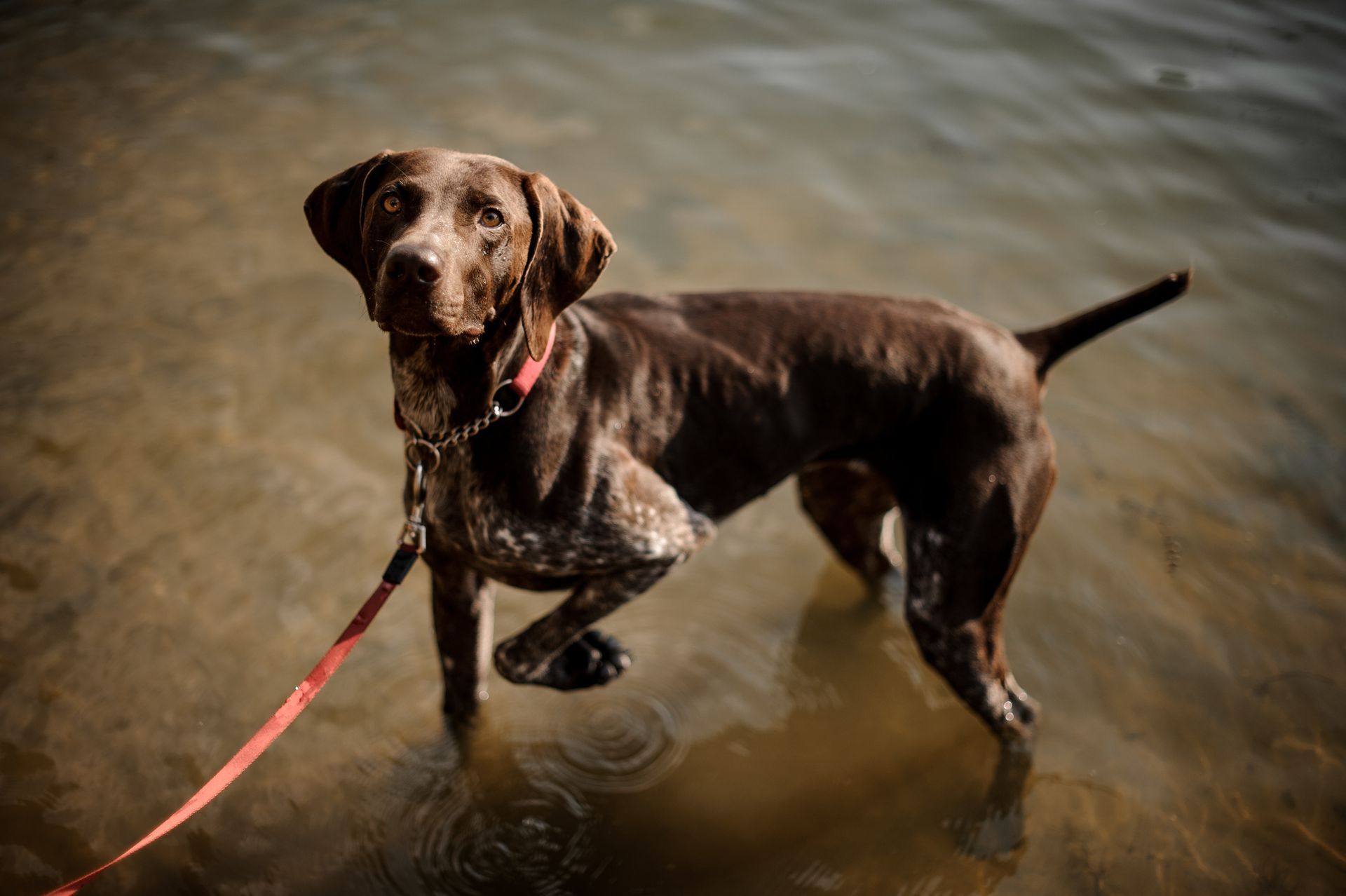
There’s nothing like the relief pet parents feel after a hurricane or raging Gulf storm finally passes. The flood waters may still be lingering in the streets in the days after a storm, but at least the skies are clear. We might be tempted to take our dogs out for a walk to explore what needs fixing and cleaning—and to debrief with our neighbors, family, and friends. But there’s a hidden risk in the floodwaters after a storm: leptospirosis. This flood-water-related dog illness can cause kidney damage, liver disease, and, in severe cases, life-threatening illness. Here’s what the team at Great Oaks Veterinary Hospital in Alabama wants you to know about leptospirosis prevention and post-hurricane pet care. What is Leptospirosis? Leptospirosis is a bacterial disease caused by the Leptospira bacteria. Dogs typically get infected when they come into contact with water or soil that’s been contaminated by the urine of infected wildlife—or other domestic pets. Flooding significantly increases the risk of Leptospirosis, because standing water can easily become contaminated with urine from the hundreds of wild creatures that live parallel lives to ours: rodents, raccoons, opossums, and other mammals, for instance. Hurricanes and heavy Gulf Coast rains can create perfect conditions for lepto exposure by leaving puddles, flooded ditches, and soggy yards that dogs might be tempted to drink, or even to simply walk through. Leptospirosis is also a zoonotic disease, which means it can spread from pets to people. This is uncommon as long as you wash your hands after coming into contact with your pet’s urine or feces, but the risk still exists. Because of this, a dog infected with lepto should be handled with care and given prompt veterinary treatment. How to Prevent Leptospirosis in Dogs Leptospirosis prevention involves a lepto vaccine for dogs. While the American Veterinary Medical Association (AVMA) does not consider lepto a core vaccine, Gulf Coast veterinarians strongly recommend it for our local pooches. This is because, due to our geography, our pets are at a much higher risk of leptospirosis than, say, dogs who live in a dry, arid climate. Currently, the vaccination guidelines for leptospirosis recommend this schedule: Initial puppyhood vaccine at 12 weeks of age Two doses given 2 to 4 weeks apart Annual booster to help maintain protection from lepto While no vaccine can provide 100% protection from leptospirosis, vaccination substantially reduces your pup’s risk of infection and serious, potentially life-threatening disease. Diagnosis and Treatment of Leptospirosis Signs of leptospirosis can be:: Fever Lethargy and weakness Loss of appetite and/or vomiting Increase in thirst or urination patterns Stiffness (indicating muscle pain) Yellowing of the eyes or gums (jaundice) Veterinarians can diagnose lepto using a combination of physical exams, bloodwork, urine testing, and other specialized lab tests. Treatment involves antibiotics, IV fluids, and supportive care—and for dogs with kidney or liver involvement, a hospital stay may be in order. Early diagnosis and treatment can greatly improve your pup’s chance of a positive outcome from lepto. Prevention is even better. To get a head start on post-hurricane pet care before the next big one hits, reach out to our experienced veterinary team at Great Oaks Veterinary Hospital . We offer lepto vaccines for dogs, as well as diagnosis and treatment of leptospirosis. Call us at (251) 633-4857 to schedule an appointment today.
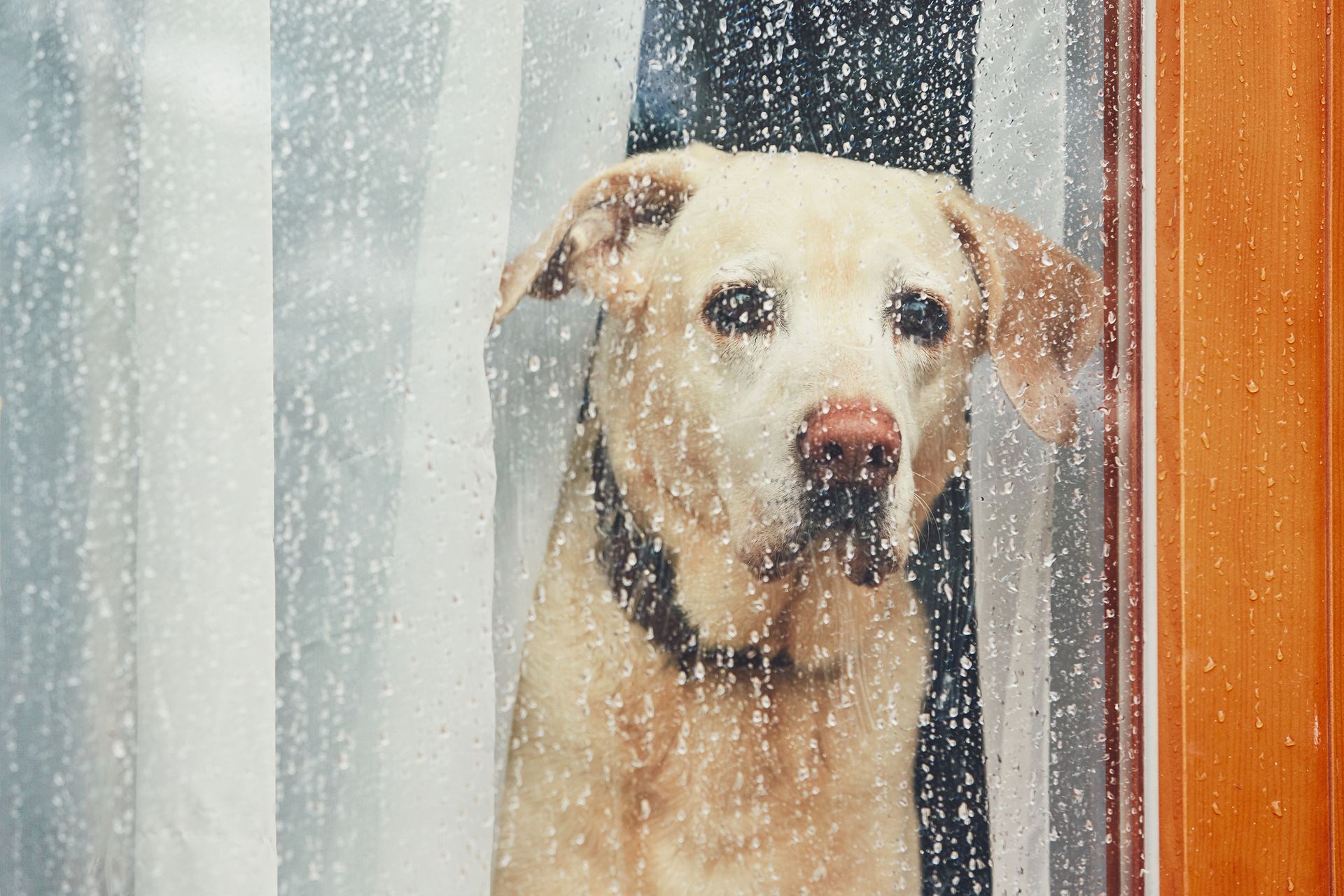
When hurricane season arrives along the Gulf Coast, preparation is everything. While many families focus on stocking up on water, batteries, and emergency supplies, it is just as important to have a plan for your pets. Hurricanes can develop quickly, and having a strategy in place before a storm approaches can help keep your furry family members safe, and reduce stress during an emergency. Whether you share your home with a playful pup, a curious cat, or multiple pets, a little planning goes a long way. Here are practical tips to help Mobile pet owners prepare for hurricane season. Build a Pet Emergency Plan Before the Storm One of the most important steps in hurricane pet preparedness Mobile families can take is to create an emergency plan before severe weather threatens the area. Make sure every pet has proper identification, including a collar with current contact information and a microchip with updated registration details. If you need to evacuate, having accurate identification can greatly improve the chances of being reunited with your pet. It is also a good idea to research pet-friendly hotels, shelters, and boarding facilities ahead of time. Not all evacuation shelters accept pets, so knowing your options before an emergency can save valuable time. Create a Pet Emergency Kit Every household should have a dedicated pet emergency kit ready to go during hurricane season. Store supplies in an easily accessible container and check expiration dates regularly. Your pet emergency kit should include: At least one week's supply of food and water Food and water bowls Medications and prescription information Copies of veterinary records and vaccination certificates Leash, harness, and extra collar Waste bags, litter, and litter box supplies Blankets and comfort items Recent photos of your pet First-aid supplies Having these essentials packed and ready can make evacuations much smoother for both you and your pet. Assemble a Hurricane Dog Kit Dogs often need a few additional supplies during emergency situations. A well-stocked hurricane dog kit can help keep your canine companion comfortable and secure. Consider including: Extra leash and harness Favorite toys for comfort and stress relief Portable crate or carrier Cooling towels for hot weather conditions Travel water bottles Calming aids recommended by your veterinarian Remember that storms can be frightening for pets. Familiar items can provide reassurance when routines are disrupted. Follow a Pet Evacuation Checklist A pet evacuation checklist Alabama pet owners can rely on should be prepared well before hurricane warnings are issued. Before leaving your home: Bring pets indoors Secure carriers and travel crates Pack your pet emergency kit Verify your evacuation destination accepts pets Ensure identification tags are attached Keep pets leashed or safely contained at all times Load pets into vehicles before weather conditions worsen Never leave pets behind during an evacuation. If conditions are unsafe for people, they are also unsafe for animals. For Gulf Coast pet owners, hurricane season is a yearly reminder that preparation matters. Taking steps now can help keep your beloved companions safe when severe weather threatens. Keep Your Pet Healthy Before Hurricane Season Arrives Emergency preparedness is about more than supplies. Making sure your pet is healthy before hurricane season begins is equally important. Routine wellness exams allow your veterinarian to identify health concerns, update vaccinations, refill medications, and ensure your pet is ready should an emergency arise. A healthy pet is often better equipped to handle the stress and challenges that can come with evacuation, travel, and temporary housing during severe weather events. Prepare Today for Tomorrow's Storms Hurricane season can be unpredictable, but your pet's safety should never be left to chance. Taking time now to build a pet emergency kit, create a hurricane dog kit, and develop a reliable evacuation plan can make all the difference when severe weather strikes. At Great Oaks Veterinary Hospital , we are committed to helping your pets stay healthy, happy, and prepared year-round. Schedule your pet's wellness exam today and let our team help ensure your four-legged family member is ready for whatever the season may bring. After all, every tail wag, happy purr, and muddy paw print is worth protecting.
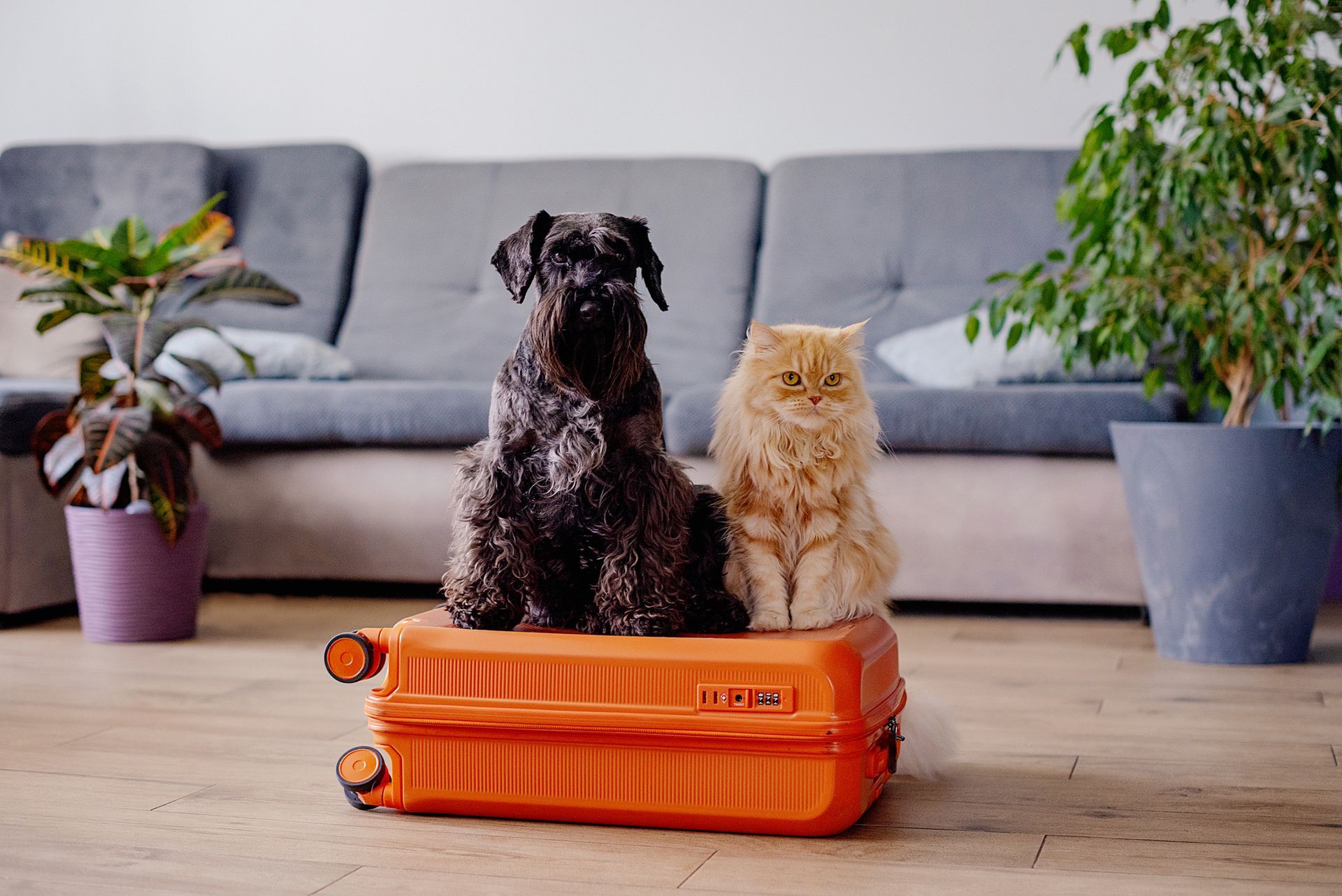
Whether you’re planning a family vacation, a business trip, or a weekend getaway, finding safe, comfortable pet boarding is likely at the top of your to-do list. Choosing the right pet boarding in Mobile Alabama can provide peace of mind while ensuring your furry family member receives the care and attention they deserve. At Great Oaks Veterinary Hospital , boarding is more than just providing a place for pets to stay. It’s about creating a welcoming environment where dogs and cats can feel secure, comfortable, and cared for while their families are away. Choosing Vet Boarding Near Me Unlike some traditional kennels, veterinary boarding facilities like Great Oaks Veterinary Hospital have a team of trained medical professionals with quick access to veterinary care should a health concern arise. Benefits of veterinary boarding include: Staff trained to recognize signs of illness or distress Access to veterinary care if needed Medication administration for pets with ongoing health needs Customized feeding schedules Close monitoring of senior pets and pets with medical conditions What to Look for in Dog Boarding in Mobile, AL A quality canine boarding experience should provide plenty of opportunities for both playtime and relaxation, and should require that all pets be current on vaccinations. Look for a boarding facility that provides: Comfortable accommodations Daily walks and exercise Regular potty breaks Individual attention from caregivers Consistent feeding schedules Plenty of opportunities to rest between activities The Benefits of Dog Day Camp in Mobile For particularly active and social pets, a dog day camp in Mobile is a great way to keep them entertained throughout the day. Dog day camp in Mobile can help: Burn off excess energy Encourage healthy exercise habits Reduce boredom Provide mental stimulation Support socialization opportunities when appropriate Comfortable Accommodations for Cats Cats have unique boarding needs that differ from those of dogs. At Great Oaks Veterinary Hospital, we provide comfortable, secure cat boarding in Mobile with three sizes of kitty condos to choose from. When searching for quality cat boarding in Mobile, be sure to look for: Quiet accommodations away from barking dogs Consistent feeding routines Comfortable bedding Daily monitoring and interaction Staff experienced in feline behavior Travel with Confidence Finding reliable pet boarding in Mobile, Alabama doesn’t have to be a challenge. By choosing a facility that prioritizes safety, comfort, and individualized care, you can enjoy your travels knowing your pet is in good hands. At Great Oaks Veterinary Hospital, our team understands that pets are family. Whether you’re looking for dog boarding in Mobile AL, a trusted dog day camp in Mobile, or comfortable cat boarding in Mobile, we can help. Contact us at (251) 639-7414 to learn more about our boarding accommodations. We want both you and your pet to enjoy a worry-free time apart.
There’s nothing like the relief pet parents feel after a hurricane or raging Gulf storm finally passes. The flood waters may still be lingering in the streets in the days after a storm, but at least the skies are clear. We might be tempted to take our dogs out for a walk to explore what needs fixing and cleaning—and to debrief with our neighbors, family, and friends. But there’s a hidden risk in the floodwaters after a storm: leptospirosis. This flood-water-related dog illness can cause kidney damage, liver disease, and, in severe cases, life-threatening illness. Here’s what the team at Great Oaks Veterinary Hospital in Alabama wants you to know about leptospirosis prevention and post-hurricane pet care. What is Leptospirosis? Leptospirosis is a bacterial disease caused by the Leptospira bacteria. Dogs typically get infected when they come into contact with water or soil that’s been contaminated by the urine of infected wildlife—or other domestic pets. Flooding significantly increases the risk of Leptospirosis, because standing water can easily become contaminated with urine from the hundreds of wild creatures that live parallel lives to ours: rodents, raccoons, opossums, and other mammals, for instance. Hurricanes and heavy Gulf Coast rains can create perfect conditions for lepto exposure by leaving puddles, flooded ditches, and soggy yards that dogs might be tempted to drink, or even to simply walk through. Leptospirosis is also a zoonotic disease, which means it can spread from pets to people. This is uncommon as long as you wash your hands after coming into contact with your pet’s urine or feces, but the risk still exists. Because of this, a dog infected with lepto should be handled with care and given prompt veterinary treatment. How to Prevent Leptospirosis in Dogs Leptospirosis prevention involves a lepto vaccine for dogs. While the American Veterinary Medical Association (AVMA) does not consider lepto a core vaccine, Gulf Coast veterinarians strongly recommend it for our local pooches. This is because, due to our geography, our pets are at a much higher risk of leptospirosis than, say, dogs who live in a dry, arid climate. Currently, the vaccination guidelines for leptospirosis recommend this schedule: Initial puppyhood vaccine at 12 weeks of age Two doses given 2 to 4 weeks apart Annual booster to help maintain protection from lepto While no vaccine can provide 100% protection from leptospirosis, vaccination substantially reduces your pup’s risk of infection and serious, potentially life-threatening disease. Diagnosis and Treatment of Leptospirosis Signs of leptospirosis can be:: Fever Lethargy and weakness Loss of appetite and/or vomiting Increase in thirst or urination patterns Stiffness (indicating muscle pain) Yellowing of the eyes or gums (jaundice) Veterinarians can diagnose lepto using a combination of physical exams, bloodwork, urine testing, and other specialized lab tests. Treatment involves antibiotics, IV fluids, and supportive care—and for dogs with kidney or liver involvement, a hospital stay may be in order. Early diagnosis and treatment can greatly improve your pup’s chance of a positive outcome from lepto. Prevention is even better. To get a head start on post-hurricane pet care before the next big one hits, reach out to our experienced veterinary team at Great Oaks Veterinary Hospital . We offer lepto vaccines for dogs, as well as diagnosis and treatment of leptospirosis. Call us at (251) 633-4857 to schedule an appointment today.
When hurricane season arrives along the Gulf Coast, preparation is everything. While many families focus on stocking up on water, batteries, and emergency supplies, it is just as important to have a plan for your pets. Hurricanes can develop quickly, and having a strategy in place before a storm approaches can help keep your furry family members safe, and reduce stress during an emergency. Whether you share your home with a playful pup, a curious cat, or multiple pets, a little planning goes a long way. Here are practical tips to help Mobile pet owners prepare for hurricane season. Build a Pet Emergency Plan Before the Storm One of the most important steps in hurricane pet preparedness Mobile families can take is to create an emergency plan before severe weather threatens the area. Make sure every pet has proper identification, including a collar with current contact information and a microchip with updated registration details. If you need to evacuate, having accurate identification can greatly improve the chances of being reunited with your pet. It is also a good idea to research pet-friendly hotels, shelters, and boarding facilities ahead of time. Not all evacuation shelters accept pets, so knowing your options before an emergency can save valuable time. Create a Pet Emergency Kit Every household should have a dedicated pet emergency kit ready to go during hurricane season. Store supplies in an easily accessible container and check expiration dates regularly. Your pet emergency kit should include: At least one week's supply of food and water Food and water bowls Medications and prescription information Copies of veterinary records and vaccination certificates Leash, harness, and extra collar Waste bags, litter, and litter box supplies Blankets and comfort items Recent photos of your pet First-aid supplies Having these essentials packed and ready can make evacuations much smoother for both you and your pet. Assemble a Hurricane Dog Kit Dogs often need a few additional supplies during emergency situations. A well-stocked hurricane dog kit can help keep your canine companion comfortable and secure. Consider including: Extra leash and harness Favorite toys for comfort and stress relief Portable crate or carrier Cooling towels for hot weather conditions Travel water bottles Calming aids recommended by your veterinarian Remember that storms can be frightening for pets. Familiar items can provide reassurance when routines are disrupted. Follow a Pet Evacuation Checklist A pet evacuation checklist Alabama pet owners can rely on should be prepared well before hurricane warnings are issued. Before leaving your home: Bring pets indoors Secure carriers and travel crates Pack your pet emergency kit Verify your evacuation destination accepts pets Ensure identification tags are attached Keep pets leashed or safely contained at all times Load pets into vehicles before weather conditions worsen Never leave pets behind during an evacuation. If conditions are unsafe for people, they are also unsafe for animals. For Gulf Coast pet owners, hurricane season is a yearly reminder that preparation matters. Taking steps now can help keep your beloved companions safe when severe weather threatens. Keep Your Pet Healthy Before Hurricane Season Arrives Emergency preparedness is about more than supplies. Making sure your pet is healthy before hurricane season begins is equally important. Routine wellness exams allow your veterinarian to identify health concerns, update vaccinations, refill medications, and ensure your pet is ready should an emergency arise. A healthy pet is often better equipped to handle the stress and challenges that can come with evacuation, travel, and temporary housing during severe weather events. Prepare Today for Tomorrow's Storms Hurricane season can be unpredictable, but your pet's safety should never be left to chance. Taking time now to build a pet emergency kit, create a hurricane dog kit, and develop a reliable evacuation plan can make all the difference when severe weather strikes. At Great Oaks Veterinary Hospital , we are committed to helping your pets stay healthy, happy, and prepared year-round. Schedule your pet's wellness exam today and let our team help ensure your four-legged family member is ready for whatever the season may bring. After all, every tail wag, happy purr, and muddy paw print is worth protecting.
Whether you’re planning a family vacation, a business trip, or a weekend getaway, finding safe, comfortable pet boarding is likely at the top of your to-do list. Choosing the right pet boarding in Mobile Alabama can provide peace of mind while ensuring your furry family member receives the care and attention they deserve. At Great Oaks Veterinary Hospital , boarding is more than just providing a place for pets to stay. It’s about creating a welcoming environment where dogs and cats can feel secure, comfortable, and cared for while their families are away. Choosing Vet Boarding Near Me Unlike some traditional kennels, veterinary boarding facilities like Great Oaks Veterinary Hospital have a team of trained medical professionals with quick access to veterinary care should a health concern arise. Benefits of veterinary boarding include: Staff trained to recognize signs of illness or distress Access to veterinary care if needed Medication administration for pets with ongoing health needs Customized feeding schedules Close monitoring of senior pets and pets with medical conditions What to Look for in Dog Boarding in Mobile, AL A quality canine boarding experience should provide plenty of opportunities for both playtime and relaxation, and should require that all pets be current on vaccinations. Look for a boarding facility that provides: Comfortable accommodations Daily walks and exercise Regular potty breaks Individual attention from caregivers Consistent feeding schedules Plenty of opportunities to rest between activities The Benefits of Dog Day Camp in Mobile For particularly active and social pets, a dog day camp in Mobile is a great way to keep them entertained throughout the day. Dog day camp in Mobile can help: Burn off excess energy Encourage healthy exercise habits Reduce boredom Provide mental stimulation Support socialization opportunities when appropriate Comfortable Accommodations for Cats Cats have unique boarding needs that differ from those of dogs. At Great Oaks Veterinary Hospital, we provide comfortable, secure cat boarding in Mobile with three sizes of kitty condos to choose from. When searching for quality cat boarding in Mobile, be sure to look for: Quiet accommodations away from barking dogs Consistent feeding routines Comfortable bedding Daily monitoring and interaction Staff experienced in feline behavior Travel with Confidence Finding reliable pet boarding in Mobile, Alabama doesn’t have to be a challenge. By choosing a facility that prioritizes safety, comfort, and individualized care, you can enjoy your travels knowing your pet is in good hands. At Great Oaks Veterinary Hospital, our team understands that pets are family. Whether you’re looking for dog boarding in Mobile AL, a trusted dog day camp in Mobile, or comfortable cat boarding in Mobile, we can help. Contact us at (251) 639-7414 to learn more about our boarding accommodations. We want both you and your pet to enjoy a worry-free time apart.